
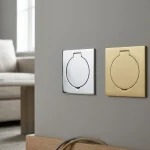
Chrome or brass sockets: comparing finishes for your home
5 June 2026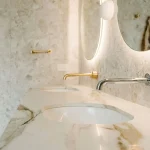
Chrome vs brushed brass taps: key differences explained
9 June 2026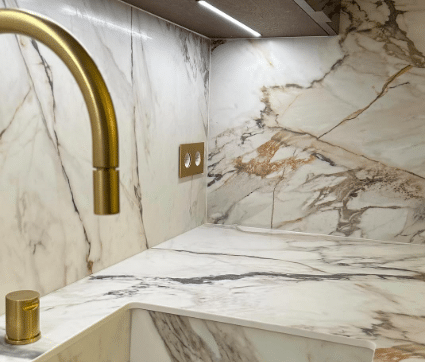
The question of whether will brass taps go out of fashion carries real weight: it affects a significant investment decision.
Is brushed brass a lasting bathroom tap choice?
Brass has moved through bathroom design for decades, at times dominant, at times quieter. The distinction lies in the finish: the muted warmth of brushed brass belongs to a very different style language from the glossy gold look that social platforms pushed into the mainstream and designers have since judged dated.
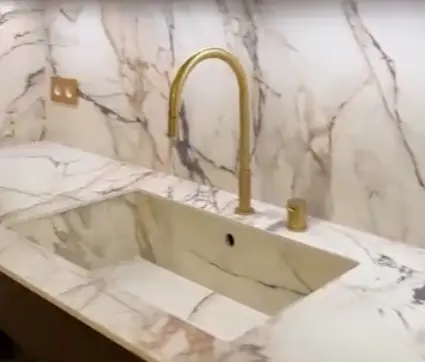
From trend to timeless: brass in the bathroom
Brushed brass has now been present in contemporary UK bathroom design for roughly a decade.
Its soft, matte surface diffuses light rather than reflecting it sharply. In practice, that restraint gives it a composed presence that sits comfortably across changing schemes, which helps explain why brass remains relevant even as trending looks come and go.
In contrast, polished brass and overtly golden finishes followed a more familiar cycle: fast visibility, rapid saturation, then decline. Bright gold taps can now read as tied to a specific moment, whereas brushed tones have largely avoided that fate.
That same principle applies to unlacquered brass. It may move from centrepiece to supporting material as preferences shift, yet it continues to appear in refined bathroom projects because the material carries both heritage and permanence.
Why brushed brass outlasts shinier alternatives
Once selected, the finish matters as much as the material itself. Bathroom fixtures with a brushed surface tend to conceal fingerprints and watermarks far better than polished equivalents, which gives them a clear advantage in daily use.
Beyond this, brushed brass finishes sit easily within restrained and more expressive interiors alike. A brass finish of this kind complements the wider design rather than overpowering it, the right choice when longevity, not moment, is the measure.
How long do brass taps actually last?
Solid brass construction offers strong corrosion resistance, and well-made brass fixtures can last for many years when maintained correctly. Worth specifying here: in hard water areas across the UK, limescale is usually the greater challenge, so lacquered surfaces or anti-scale coatings can help bathroom fixtures retain their appearance over time.
Care remains straightforward: a soft cloth after use, mild soap and water for regular cleaning, and non-abrasive descalers where deposits form. Provided that this basic routine is followed, the material will generally outlast any question of whether brass is still trending in current interior trends.
Among current choices, brushed brass and other muted finishes continue to feel more assured than bright gold taps. The finish determines whether the result reads as elegant or dated, and brass, across its quieter registers, remains credible within evolving interior trends precisely because it was never merely trendy.
What styles does brushed brass suit in a bathroom?
The appeal of brass reaches far beyond durability. Its warm golden tone acts as a refined design link: connecting natural materials, neutral palettes, and bolder colour choices with equal ease, provided that the finish is selected with care.
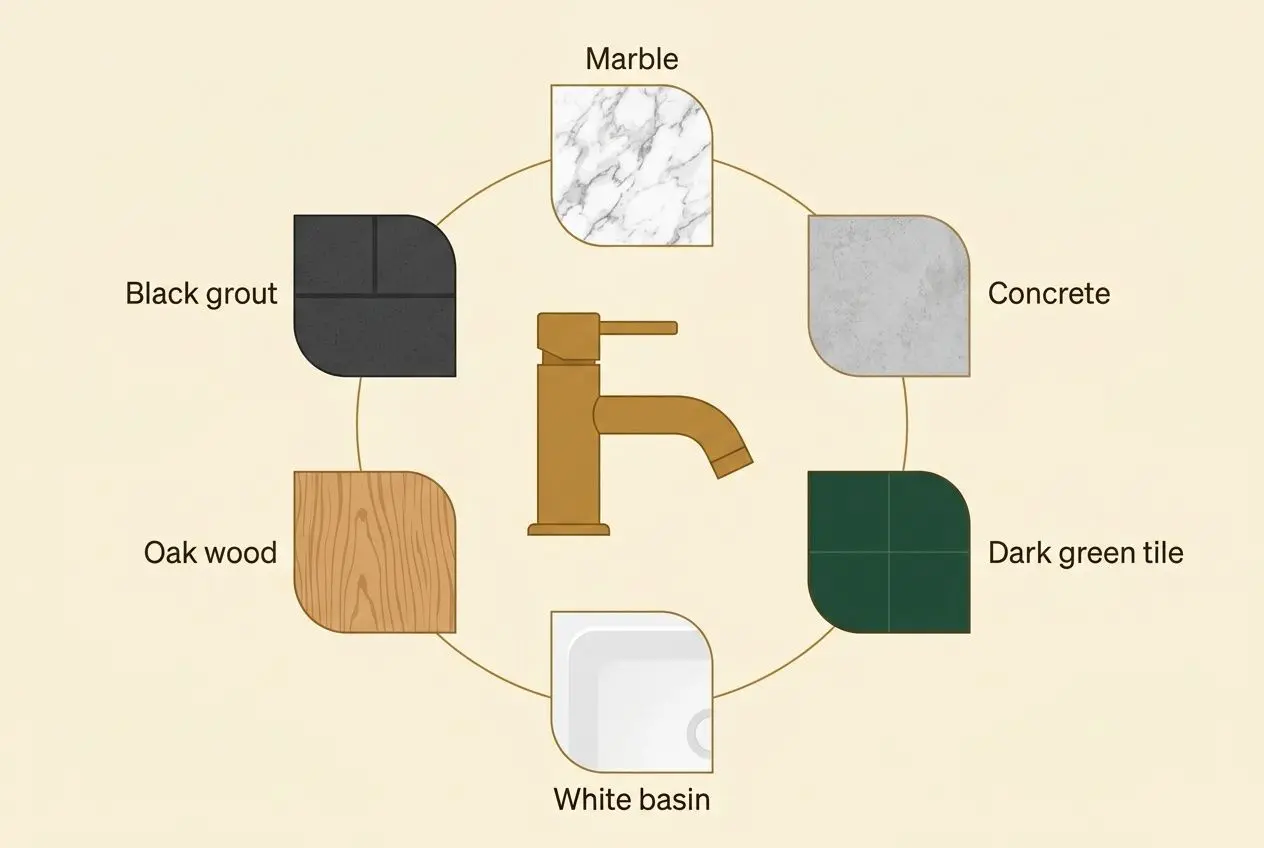
Colour and material pairings that work with brass
Brushed brass sits comfortably with marble, concrete, deep-toned tiles, and pale timber vanity units, bringing warmth to cooler schemes and greater depth to restrained ones without disturbing the balance of the room.
- Natural stone and marble: veined surfaces respond particularly well to the warmth of brass, producing a layered effect that feels composed and intentional.
- Dark and moody colour schemes: deep greens, charcoals, and navy gain definition from brass accents, which introduce contrast in a measured way.
- White and light neutral schemes: against white basins and pale tiles, brass softens the atmosphere and prevents the bathroom from appearing clinical.
Once this palette is established, the same principle applies to adjoining materials. Consistency across taps, shower elements, and accessories gives the scheme its overall coherence.
Brass across traditional and contemporary bathroom schemes
In a traditional bathroom, brass complements Victorian tiling, roll-top baths, and crosshead tap profiles; in a contemporary setting, it sits just as naturally beside wall-mounted fixtures, minimal basins, and cleaner architectural lines.
The distinction lies in the finish. Satin brass, brushed brass, and aged brass each shift the character of the room slightly, allowing brass to move between heritage references and present-day bathroom design without losing its integrity.
Worth specifying here: FEDE Switch & Light presents the Brazier Valencia collection as a strong example of this balance, with brass luxury taps that unite Spanish artisan heritage with precise, modern design.
What are the alternatives to brass bathroom taps?
As interior design trends move towards greater restraint, the range of metal finishes specified for the bathroom has widened. The gold trend no longer defines the whole picture; in its place sits a more nuanced selection of finishes, each aligned with a particular style, level of maintenance, and architectural setting.
For FEDE Switch & Light, the distinction lies in choosing a finish that supports the room’s wider design language rather than following short-lived interior trends. Some alternatives feel overtly modern, others retain a more traditional character, and several sit comfortably between the two.
Matte black, nickel and chrome as rising options
Against that broader shift, several bathroom tap finishes continue to gain popularity in UK projects.
- Matte black: A strong choice for contrast, particularly against pale stone, ceramics, and painted surfaces. Black taps suit pared-back, industrial, and Scandinavian schemes, while also appearing in more sculptural forms for contemporary interiors.
- Brushed nickel: Softer than polished silver tones, with a muted surface that works well in rooms combining warm neutrals and cooler greys. It is often the right choice when a project sits between traditional and modern codes.
- Polished chrome: The reflective chrome finish remains an enduring reference in bathroom design. It brings clarity and brightness, especially in smaller rooms.
- Dark bronze and oil-rubbed finishes: These darker metals introduce depth without the graphic contrast of black. They offer a warmer alternative to chrome fittings in interiors with period influence or softer tonal schemes.
Beyond this, silver tones, polished nickel, and refined chrome fittings have returned to prominence, helped in part by Y2K references within current trend cycles.
| Finish | Best suited to | Maintenance level | Trend status |
| Brushed brass | Traditional & contemporary | Low | Established classic |
| Matte black | Minimalist, industrial | Low–medium | Rising |
| Brushed nickel | Transitional spaces | Low | Growing |
| Polished chrome | Small bathrooms, modern | Medium | Cyclical return |
| Dark bronze | Period, warm schemes | Medium | Emerging |
Can you mix brass with other finishes in a bathroom?
Once selected with care, mixed metals can give a room greater depth than a single-finish scheme. The question of brass or black is therefore rarely absolute: combining brass finishes with matte black, nickel, or darker bronze can produce a layered result that feels composed rather than decorative.
A considered approach to mixing starts with hierarchy. Classic brass may lead, supported by a black mirror frame or a secondary metallic accent. Keep one finish dominant, and let the others reinforce the scheme.
Choosing a tap finish that reflects your personal style
That hierarchy matters because tap finishes should always be judged within the full material palette of the room. The finish determines how fittings sit against stone, paint, timber, and light, and whether the result feels settled enough to outlast a passing trend.
Provided that the choice is grounded in the architecture of the space, the issue of replacing brass becomes far less urgent. FEDE Switch & Light approaches such decisions through craft and proportion: a finish should serve the room’s style, whether the scheme leans traditional or distinctly contemporary.
Frequently Asked Questions
Will brass taps go out of style?
Brass is unlikely to disappear from bathroom design. The distinction lies in the finish: brushed brass and unlacquered brass continue to hold their place because they bring warmth, material depth, and a flexibility that suits both classic and contemporary schemes.
By contrast, brighter polished and high-gloss gold looks have already passed their peak and are now often seen as dated.
Is brass still a good choice for a bathroom in 2026?
For 2026, brass remains a strong specification for the bathroom. Brushed brass is especially well suited to projects where warmth, texture, and quiet refinement matter, while also handling daily wear with notable ease.
Once selected with care, it works across period settings and contemporary interiors alike, pairing naturally with stone, timber, and a broad colour palette. Worth specifying here: collections such as the Brazier Valencia range by FEDE Switch & Light show how a Spanish artisan manufacturer can bring precision, heritage craft, and a distinctly current sense of style to bathroom design.
What tap finishes are gaining ground in 2026?
Alongside brass, several tap finishes are advancing in 2026. Matte black, brushed nickel, and polished chrome are drawing consistent attention in UK bathroom design, while dark bronze and oil-rubbed surfaces offer a softer alternative with added depth.
Beyond this, silver and chrome tones are returning as part of a wider cyclical trend in interiors and fashion.