

Brushed brass sockets and switches: a complete buying guide
22 June 2026
Exclusive light switches: luxury light switches for every home
25 June 2026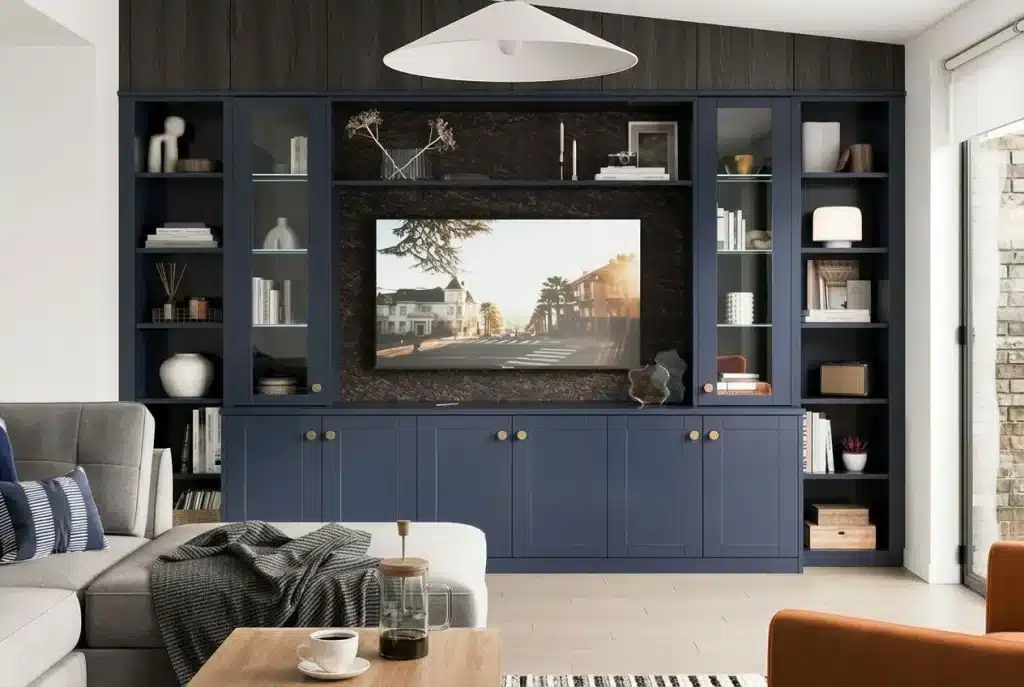
This guide covers practical and design-led methods for how to hide plug sockets in living room schemes, from strategic furniture placement to finish-matched architectural plates that transform a necessary fixture into a considered interior detail.
Use furniture and décor to cover living room sockets
Concealing plug sockets without permanent alteration begins with the room layout. The right furniture placement, a few well-judged decorative elements, and disciplined cord management can reduce the visual presence of wall sockets immediately, without calling for tools or trade work.
Strategic furniture placement to block sockets from view
That logic starts with the plan of the room. Sideboards, sofas, shelving and media units can hide plug sockets effectively, provided their height and depth are measured carefully so the outlet disappears from view without compromising ventilation or access.
- Sideboards and console tables: Positioned in front of wall sockets, these pieces conceal outlets cleanly while offering space for objects that lift the eye away from the wall.
- Low-profile shelving units: Open shelving set flush to a socket zone can mask the outlet behind its frame, while still allowing access when the unit is freestanding and easy to move.
- Sofas and armchairs: Upholstered pieces placed with their backs near outlet points provide immediate cover; worth specifying here, a small gap from the wall should remain for safe air circulation.
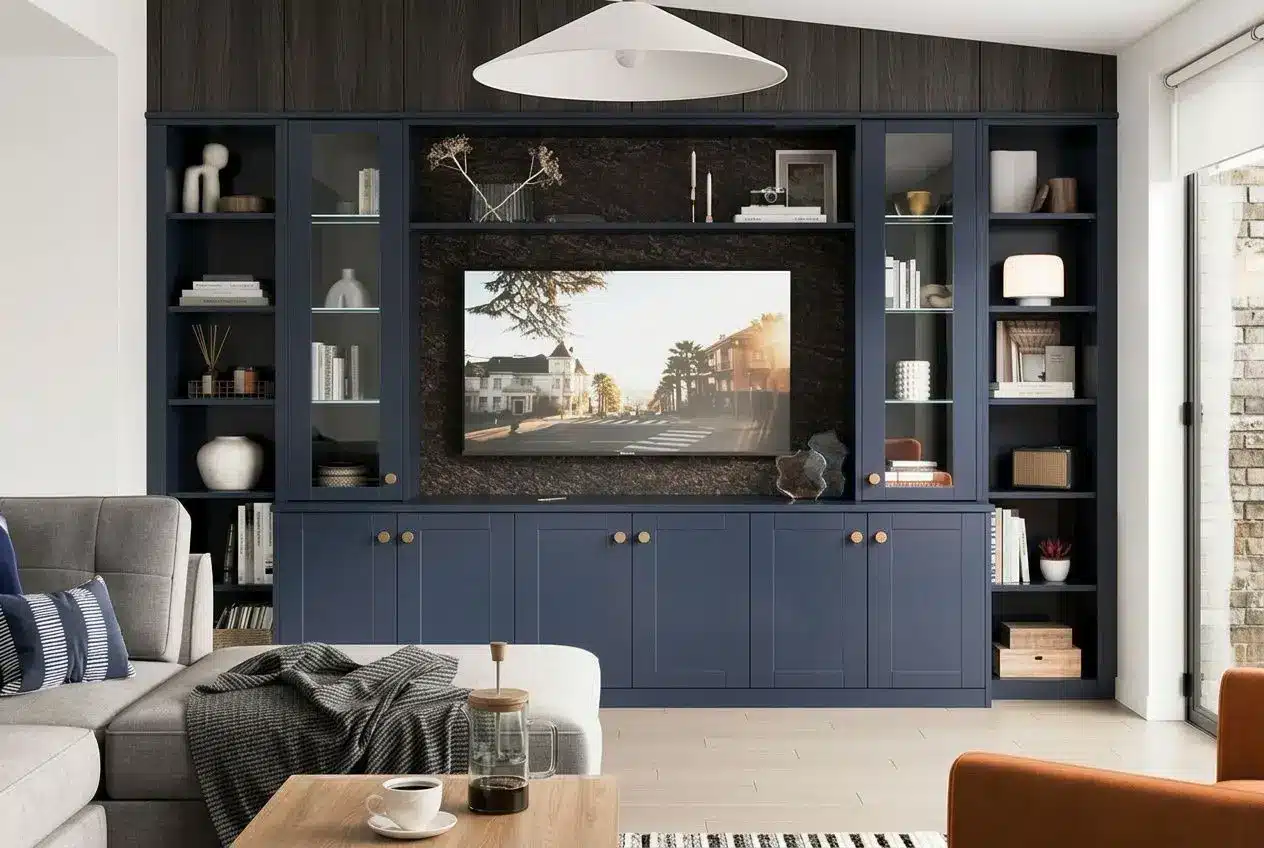
- Built-in media walls: Cabinetry designed around a television location can integrate plug sockets within the structure, concealing both the outlet and associated cables behind solid panels.
Total depth, including legs, frames and clearance, decides whether the socket is fully hidden or still visible from an angle; often the distinction lies in a room that feels resolved and one that does not.
Decorative boxes and accessories that hide sockets discreetly
Where furniture cannot do all the work, smaller objects can refine the result. A planter, a stack of books or a sculptural piece placed close to skirting level can help hide plug sockets while preserving the balance of the interior design.
- Cable management boxes: Designed to contain power strips and grouped cords, these boxes present as a single neat object and remain a reliable method for reducing visual clutter around active sockets.
- Repurposed decorative boxes: Rigid office file boxes or similar containers can be adapted with cable openings, then wrapped or finished with paint to coordinate with surrounding furniture and wall tones.
- Potted plants and botanical arrangements: A generous floor-level planter beside wall sockets creates a natural screen and contributes to the design of the room rather than merely masking a practical necessity.
Decorative covers should never block active outlets permanently, and any box used around power connections must allow cables to pass cleanly and remain easy to inspect.
Cord and cable management solutions for a tidier result
A considered approach to cord management completes the scheme: zip ties keep grouped leads orderly, fabric sleeves gather loose cables behind furniture, and surface conduit can be finished with paint to blend into the wall or skirting.
In practice, this matters just as much for floor outlets as for wall sockets. Cords routed beneath a rug can travel discreetly across the room, provided they are laid flat, secured at the edge, and never allowed to create a raised line underfoot.
Camouflage sockets visually using finishes and wall treatments
Once physical concealment is off the table, visual restraint becomes the effective route. Through colour, pattern, and material, plug sockets can recede into the wall rather than interrupt it.
Paint and wallpaper techniques to disguise socket plates
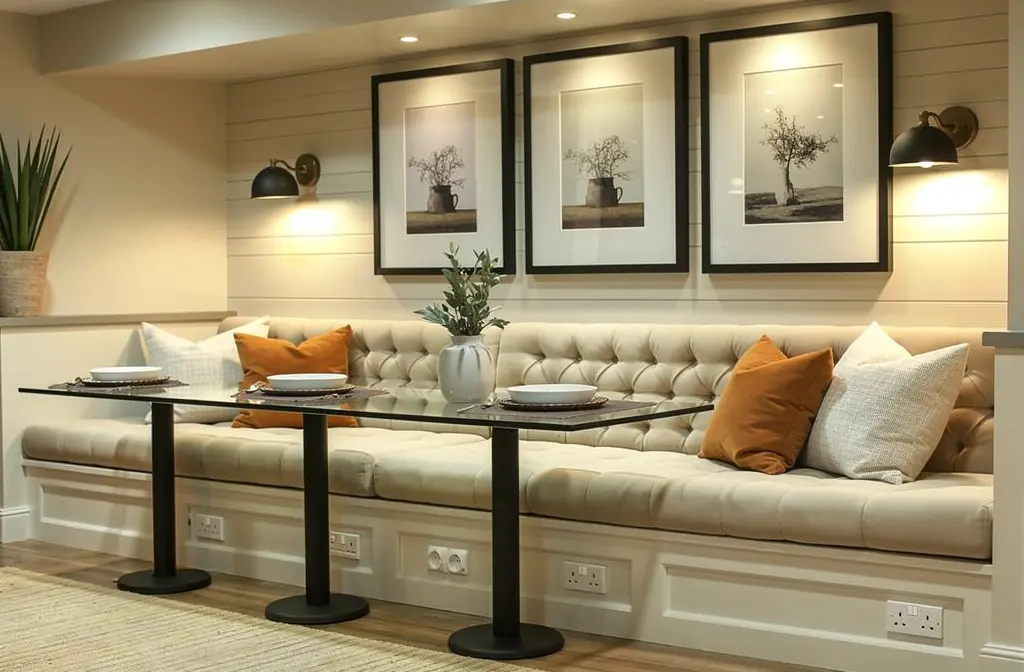
For those considering how to hide plug sockets on wall surfaces, a plate finished with suitable paint and matched precisely to the surrounding wall can reduce contrast significantly, especially on flat-painted surfaces where even a slight tonal shift makes outlets stand forward.
In contrast, wallpaper works by distraction and alignment. A dense botanical print or crisp geometric repeat keeps the eye on the pattern, while careful positioning against stripes or recurring motifs helps match outlets to the wider composition so they feel resolved rather than incidental.
Choosing decorative socket covers that blend with your walls
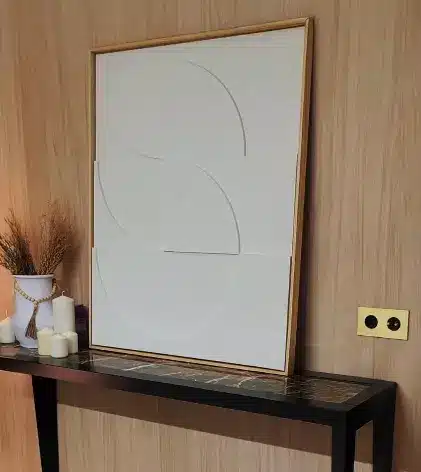
From there, decorative socket covers offer a more design-led alternative. Screwless faceplates sit at approximately 1mm from the wall, giving a near-seamless result, and FEDE Switch & Light provides over 14 finishes across its architectural collections, each produced at its Valencia atelier to meet exacting colour and surface tolerances.
Provided that a wall colour scheme calls for greater discretion, paintable white or primed plates are often preferable to applying paint over a finished surface. Worth specifying here: a primed plate accepts paint more evenly than standard polycarbonate, producing a closer match in both texture and reflectivity.
| Finish | Best wall pairing | Key benefit |
| Matt black | Deep charcoal, slate, or dark-toned walls | Minimises fingerprints; suits minimalist schemes |
| Satin brass | Warm cream, muted pink, or deep blue | Warm golden tone; blends without visual conflict |
| Brushed chrome | Cool grey, white, or industrial palettes | Hides wear; suits minimal or industrial interiors |
| Paintable white | Any flat-painted wall colour | Disappears entirely when matched to wall paint |
| Antique brass | Heritage, terracotta, or eclectic schemes | Adds character; suits period properties |
How finish choice affects socket visibility in a living room
Once selected, the finish determines how assertively a socket reads in the room. Brushed surfaces soften reflections and disguise daily wear, making them the right choice when plug sockets sit in busy areas and need to remain discreet; polished brass does the opposite, catching the light and turning hardware into a deliberate feature.
A considered approach to FEDE Switch & Light finishes allows designers to hide plug sockets where discretion is needed, or to use them as refined accents when the project calls for visible detail.
Smart installation choices that conceal sockets by design
These permanent or semi-permanent methods demand planning during renovation, yet they achieve a level of visual order that furniture arrangement or surface treatment rarely matches over time.
Planning socket positions during renovation
Positioning plug sockets in direct relation to furniture, media equipment and circulation paths allows wall sockets to support the room quietly, with cord management resolved before the final interior design scheme is in place.
In practice, sockets placed beside rather than directly behind substantial pieces of furniture are easier to use and simpler to disguise. The same applies to television walls: when outlets are planned exactly where screens and devices will sit, cables can be routed out of view without improvised additions later on.
Recessed, pop-up and built-in socket solutions explained
The distinction lies in how each type withdraws the socket from sight: into the wall, into the floor or worktop, or into the furniture that defines the room.
- Recessed wall sockets: set into the wall rather than mounted on its surface, recessed wall sockets create a flush finish that sits naturally within contemporary schemes and removes the shadow line of a projecting plate.
- Pop-up and retractable sockets: installed in floor units or worktop surfaces, these fittings disappear fully when not in use and suit interiors where uninterrupted planes are central to the design.
- Integrated furniture sockets: outlets built into shelving, media walls or cupboard interiors keep connected devices out of sight, allowing the visible face of the furniture to read as a considered whole.
Provided that future maintenance access is protected, these are among the most complete ways to hide plug sockets. Junction boxes must remain reachable, so integrated solutions should be freestanding or detailed with removable panels for inspection.
Upgrade to decorative or brass sockets as a design solution
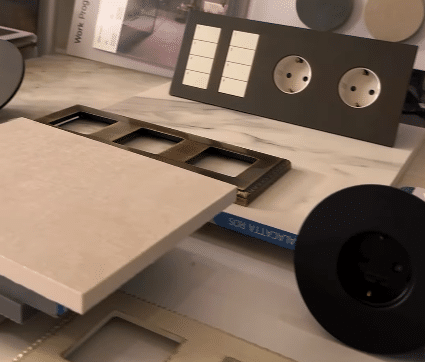
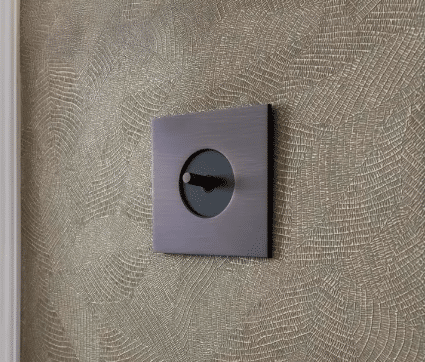
Decorative sockets and switch plates can turn a conspicuous plug socket into a subtle design element, particularly when screwless faceplates and hand-finished brass bring precision and material depth to the wall.
FEDE Switch & Light manufactures each collection in Spain to artisan tolerances, where material selection and finishing are treated as design decisions rather than production variables. The Barcelona Collection, SoHo Collection and SMALTO ITALIANO range each express a different relationship between heritage craft and contemporary interior design: from refined rotary switches with LED indicators to enamel-inlaid plates shaped through one of Europe’s oldest decorative traditions.
The guide explains how brass switches and sockets can serve as stylish design features within a living room, whether satin brass is used to soften neutral walls or antique brass to add depth to more layered schemes.
Brass sockets in solid construction age with grace rather than revealing a plastic substrate beneath the surface. The finish determines the overall coherence: when sockets are coordinated with door furniture, mirror frames and decorative fixings, the room reads as resolved rather than merely functional.
Frequently asked questions
What is the easiest way to hide plug sockets in a living room without renovation?
The simplest solution is usually furniture placement. Positioning a sideboard, shelving unit, or sofa in front of wall sockets conceals them at once, with no tools and no disruption to the room.
Beyond this, the distinction lies in reducing visibility rather than masking the fitting completely: decorative socket covers chosen to match the wall tone soften their presence within the wider interior design scheme. Cable management boxes then tidy loose leads and power strips in one contained unit, while preserving a clean relationship between the wall, the furniture, and the surrounding design.
Can socket plates be painted to match the wall?
They can, provided that the correct surface is selected. Paintable white or primed socket plates take wall paint well and help plug sockets recede into the background.
In contrast, standard polycarbonate plates also accept paint when the product is suitable for plastic and the plate is fully dry before reinstallation. For a more exact result, architectural plug sockets offer primed surfaces that receive paint more evenly, giving wall sockets a finish closer in texture and reflectivity to the painted wall.
Are decorative or brass sockets a practical alternative to hiding sockets entirely?
Selecting a socket finish that corresponds with surrounding hardware, mirror frames, pendant fixings, or door and furniture details allows the fitting to sit naturally within the room. Satin brass suits warmer transitional interiors; matt black supports a more contemporary scheme. Antique brass remains especially apt in period settings, where the material resonates with existing architectural detail.
Beyond this, FEDE Switch & Light builds these fittings from solid brass: the surface develops patina over time rather than simply wearing away, embedding the socket within the room’s material story.