
Vintage luxury brass light switches: antique brass buying guide
26 May 2026
Antique brass sockets and switches buying guide
28 May 2026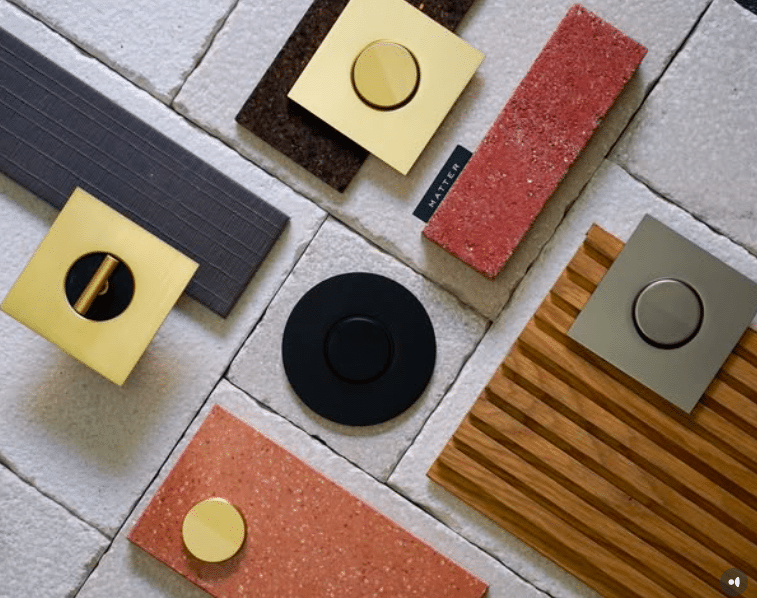
Solid brass dominates luxury electrical switches because every component, plate, toggle, rocker, consists of genuine brass, not metal composites or plastic replicas that undermine the whole thing. Understanding which materials define premium switches, how finishes develop character over time, and why craftsmanship shapes the final result is exactly what matters when selecting materials for luxury electrical switches for a renovation or design project.
Touch a solid brass switch and the weight tells you something immediately. That precise click mechanism communicates engineering precision at every use, distinguishing genuine luxury light switches from budget alternatives that feel hollow or imprecise.
Why solid brass dominates premium light switches
Solid brass distinguishes authentic luxury from mass-produced imitations. Every plate, every rocker, every mechanical component begins as genuine brass, selected for its corrosion resistance and structural durability. This foundational choice shapes everything that follows, finish longevity, tactile performance, visual aging.
Brass durability and tactile quality in luxury switches
Solid brass resists corrosion in ways cheaper metals cannot, maintaining structural integrity across decades in high-traffic residential and commercial environments. The inherent weight communicates premium quality through daily interaction, delivering a satisfying mechanical response that inferior materials simply cannot replicate. Materials for luxury electrical switches must balance visual aesthetics with functional reliability, and brass excels at both.
- Corrosion resistance: Brass develops natural patina rather than rust or degradation, preserving functionality and appearance indefinitely with minimal maintenance.
- Mechanical precision: Solid brass allows manufacturers to engineer refined actuation force and precise movement, creating a click that feels premium rather than harsh.
- Tactile satisfaction: The density and weight of brass communicate quality through fingertip contact, distinguishing luxury switches from lightweight plastic-based alternatives in every daily interaction.
Polished brass surfaces resist fingerprints and age gracefully, developing natural patina instead of peeling or degrading. This aging process adds authentic character to luxury light switches, a design feature, not a liability.
Brass finishes from brushed to antique for every interior
Brass accepts multiple finishes, each developing distinct visual and textural properties that transform a single metal into diverse design solutions. These finishes suit modern, traditional, and eclectic interiors, choosing among them means understanding how each responds to light, time, and daily contact across the sockets and switches your space demands.
- Brushed brass: Warm gold color with linear texture resistant to tarnishing, suited to modern and contemporary interiors seeking understated refinement without visible patina development.
- Antique brass: Deep brown with golden undertones that darken naturally over three months, ideal for heritage and Victorian spaces where material authenticity signals historical awareness.
- Satin brass: Soft golden tone with understated sheen and stable finish, perfect for minimalist interiors where consistency and subtle material presence matter more than dramatic character.
- Polished brass: High-gloss finish that reflects light and ages into warm patina, offering maximum visual impact in classical and transitional interior schemes.
Beyond standard finishes, solid brass switches accept custom hues via RAL chart selection, enabling bespoke color matching that integrates seamlessly with specific interior palettes. That transforms electrical hardware from a standardized component into a tailored design element.
Bespoke brass options for sockets and switches
Rotary switches, dimmer switches, and integrated USB sockets all employ solid brass construction in luxury collections. Each mechanism, whether rotary dial, rocker lever, or touch-sensitive control, benefits from brass durability and the refined craftsmanship that solid material enables. That applies equally to a single electrical switch and to an entire run of designer plug sockets across a room.
Designer plug sockets and switch plates combine brass frames with premium lever options, available in metallic or insulated non-conductive materials depending on functional requirements. Screwless designs flatten seamlessly against walls, emphasizing the brass finish rather than mechanical visibility, which is the point of a well-made dimmer switch or plug socket in the first place.
Paintable primed finishes allow switch frames to blend with wall colors, offering designers flexibility when material coordination seems secondary to wall integration. This option suits modern minimalist schemes where electrical switches and designer plugs should recede visually rather than announce themselves through metallic presence.
Alternative luxury materials for modern designer light switches
Beyond brass, luxury light switches incorporate Swarovski crystals, real gold, Italian enamel, glass, acrylic, leather, and stone veneers. Each material brings distinct aesthetic and tactile qualities, expanding the palette for modern designer light switches seeking visual distinction within refined interiors.
Crystal and gold as pinnacle switch materials
Swarovski crystals integrated directly into brass crystal switches create jewel-like pieces combining high-gloss metal frames with precision-cut crystal elements. Light refracts through crystal surfaces, producing flashes of brilliance that communicate exclusivity, positioning these designer light switches as wearable-quality jewelry applied to architectural surfaces, a positioning unique within electrical hardware markets.
Real gold used in exclusive rotary switch collections represents the absolute pinnacle of luxury electrical hardware. Solid gold-plated or solid gold mechanisms communicate artisanal exclusivity in a single functional object, appealing to clients who view a brass switch as a design statement rather than a utilitarian component.
Glass and acrylic for contemporary sockets and switches
Clear, frosted, and tinted glass options provide contemporary aesthetics unavailable in metal-based luxury light switches uk designers frequently specify. Glass allows wall colors to show through, creating a visual illusion of space, particularly effective in minimalist settings where sockets and switches should recede rather than dominate.
Acrylic presents a lighter, more impact-resistant alternative to glass while maintaining visual transparency and a sleek appearance. Layered designs combine acrylic switch plates with metal toggles or rockers, balancing contemporary finishes with traditional mechanical reliability.
Both glass and acrylic work well in contemporary interiors where visual lightness matters more than decorative richness. These materials allow surrounding wall color and lighting conditions to influence the switch’s presence, rather than the solid hardware making a bold material statement on its own.
Textured and natural materials for bespoke switch plates
Leather, stone, and wood veneers add tactile and visual depth to luxury light switches, enabling bespoke finishes suited to specific interior material palettes. A wooden switch plate paired with a metal toggle mechanism adds warmth and a sense of uniqueness, far removed from generic mass-production.
Stone veneers, marble, slate, limestone, introduce cool mineral antique aesthetics to switch plates, particularly effective in spa-inspired bathrooms or contemporary kitchens emphasizing natural materials. Leather applications range from smooth cognac tones to textured suede finishes, appealing to clients who want organic hardware that feels as refined as furniture detailing.
| Material | Visual character | Best suited to | Maintenance |
| Brushed brass | Warm gold, linear texture | Modern, contemporary, eclectic | Minimal—resistant to tarnishing |
| Antique brass | Deep brown, golden undertones | Heritage, Victorian, traditional | Allow natural darkening over three months |
| Satin brass | Soft gold, understated sheen | Minimalist, subtle interiors | Stable finish, no visible patina |
| Glass/acrylic | Transparent, contemporary | Modern minimalist, tech-forward | Easy cleaning, scratch-resistant acrylic |
| Leather | Warm, textured, organic | Luxury residential, eclectic | Occasional conditioning, avoid moisture |
| Stone veneer | Cool, mineral, sophisticated | Spa bathrooms, contemporary kitchens | Sealed stone, minimal maintenance |
Italian enamel and artisan craft in luxury sockets and switches
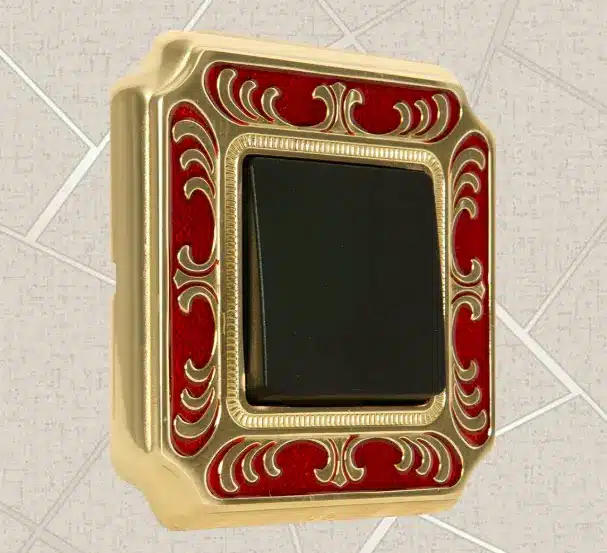
Italian enamel is among the oldest decorating techniques in fine jewelry and decorative arts, and when applied to solid brass switch bases, it delivers intense, vivid colors with a durability no paint or coating can replicate. This traditional technique lifts electrical hardware from functional component to decorative object worthy of architectural attention. That gap between a standard electrical switch and a genuine craft object is exactly what the best materials for luxury electrical switches are meant to close.
Italian enamel technique applied to brass switch bases
Italian enamel switches pair genuine brass structural bases with enamel surface decoration, creating materials for luxury electrical switches through material synergy rather than finish alone. Brass provides durability and weight; enamel provides a color intensity impossible to achieve through chrome, nickel, or any applied coating. The TOSCANA collection, comprising Siena and Firenze sub-collections, uses this exact combination, genuine brass as foundation and Italian enamel finishing for decorative impact.
- Color intensity: The enamel firing process produces hues deeper and more permanent than painted or lacquered finishes, maintaining color saturation indefinitely.
- Artisanal hand-application: Master craftsmen apply enamel to each brass piece individually, ensuring handmade character rather than industrial uniformity.
- Durability through tradition: This Italian enamel technique, developed over centuries in jewelry-making, withstands daily contact, temperature fluctuation, and environmental exposure without degradation.
Hand-finishing variations make each enamel-decorated switch unique, positioning sockets and switches as custom objects rather than interchangeable components. This level of craftsmanship justifies premium pricing and appeals directly to clients who prioritize material authenticity over off-the-shelf hardware.
Jewelry-inspired craftsmanship in luxury light switches
FEDE’s design philosophy draws directly from jewelry ornamentation, silversmithing techniques traditionally reserved for fine decorative objects transfer here to electrical switches, toggle switches, rockers, and dimmer switches. Master artisans sculpt and hand-finish each piece to standards expected of precious objects, not industrial components. The result is luxury light switches that catch light the way a well-made piece of metal jewelry does, not the way a machined part does.
This jewelry-inspired craftsmanship extends across all premium collections. Toggle switches receive hand-finishing that reacts to light differently than any machined alternative. Rockers display surface textures that communicate artisanal attention. Even a dimmer switch incorporates details, beveled edges, sculpted forms, that signal human skill, elevating functional electrical switches and dimmer switches to decorative hardware worth specifying by name in an interior design brief.
Matching switch materials to your interior environment
Choosing materials for luxury electrical switches starts with the room’s conditions, not its color palette. Moisture-resistant finishes, chrome, polished nickel, glass, suit bathrooms and must meet the relevant IP rating for wet environments. In kitchens, stainless steel and brushed nickel handle frequent cleaning and thermal fluctuation without degrading; avoid leather or wood, which absorb moisture and cooking oils.
- Bathroom environments: Chrome, polished nickel, or glass finishes resist moisture and meet electrical safety ratings; antique brass develops patina unpredictably in humid conditions and is better avoided here.
- Kitchen spaces: Stainless steel and brushed nickel are the practical choice for corrosion resistance and easy maintenance under frequent cleaning.
- Living and bedroom areas: Coordinate a brass switch with brass hinges, copper accents with copper hardware, material harmony across door furniture and cabinet pulls creates a coherent design language.
Brushed copper gives luxury light switches a warm reddish-brown tone that develops further character over time, particularly suited to industrial and eclectic interiors. When comparing finishes, consider how morning and evening light transforms the metal: polished chrome and stainless steel amplify light, while brushed nickel or antique metal surfaces absorb it and read as quieter, more grounded choices.
Frequently asked questions
What distinguishes solid brass switches from alternatives in luxury electrical hardware?
Solid brass means every plate, toggle, and rocker consists of genuine brass rather than plated or composite materials, not a brass switch finish applied over cheaper metal or plastic. That difference shows up in durability, corrosion resistance, and the mechanical precision that lighter alternatives simply cannot replicate.
Brass develops a natural patina over time instead of peeling or degrading, which means the hardware gains character rather than losing it across years of use.
Which brass finish suits modern minimalist interiors?
Satin brass delivers a soft golden tone with an understated sheen, and its finish stays consistent indefinitely without patina maintenance, no tarnishing, no darkening. For minimalist interiors built on material restraint rather than visual drama, that stability is exactly what you need from designer switches.
Are glass and acrylic switches practical for kitchen and bathroom environments?
Glass and acrylic work in bathrooms when paired with appropriate electrical safety ratings and moisture-resistant backing. In kitchens, stainless steel or brushed nickel holds up better against cleaning chemicals and thermal fluctuation than transparent materials do.
For high-moisture environments, designer switches should meet IP rating requirements and incorporate corrosion-resistant hardware throughout, stainless steel fixings, not bare metal that will corrode within months.